.webp)
Top Manual Lymphatic Drainage Benefits You Should Know
- CspaCrunchy Contourology
- Apr 27
- 3 min read

Manual lymphatic drainage (MLD) is a gentle massage technique designed to stimulate the lymphatic system. This system plays a crucial role in maintaining the body's immune function and fluid balance. By encouraging the natural flow of lymph, MLD helps remove toxins, reduce swelling, and promote overall wellness. This article explores the top benefits of manual lymphatic drainage and how it can support your health.
Understanding Manual Lymphatic Drainage Benefits
Manual lymphatic drainage benefits extend beyond simple relaxation. This specialized massage targets the lymph vessels, which are responsible for transporting lymph fluid throughout the body. When lymph flow is sluggish or blocked, it can lead to swelling, discomfort, and a weakened immune response.
Some key benefits include:
Reduction of swelling and edema: MLD helps move excess fluid away from tissues, reducing puffiness and inflammation.
Detoxification: By stimulating lymph flow, toxins and waste products are more efficiently removed from the body.
Improved immune function: A healthy lymphatic system supports the body's defense against infections.
Pain relief: MLD can alleviate discomfort caused by conditions such as fibromyalgia or chronic fatigue.
Enhanced skin health: Increased circulation can improve skin tone and reduce signs of aging.
These benefits make manual lymphatic drainage a valuable addition to wellness routines, especially for those recovering from surgery, dealing with chronic conditions, or seeking natural detox methods.
How Manual Lymphatic Drainage Works
The lymphatic system is a network of vessels and nodes that transport lymph fluid, which contains white blood cells and waste products. Unlike the circulatory system, the lymphatic system does not have a central pump like the heart. Instead, it relies on muscle movement, breathing, and gentle pressure to move lymph fluid.
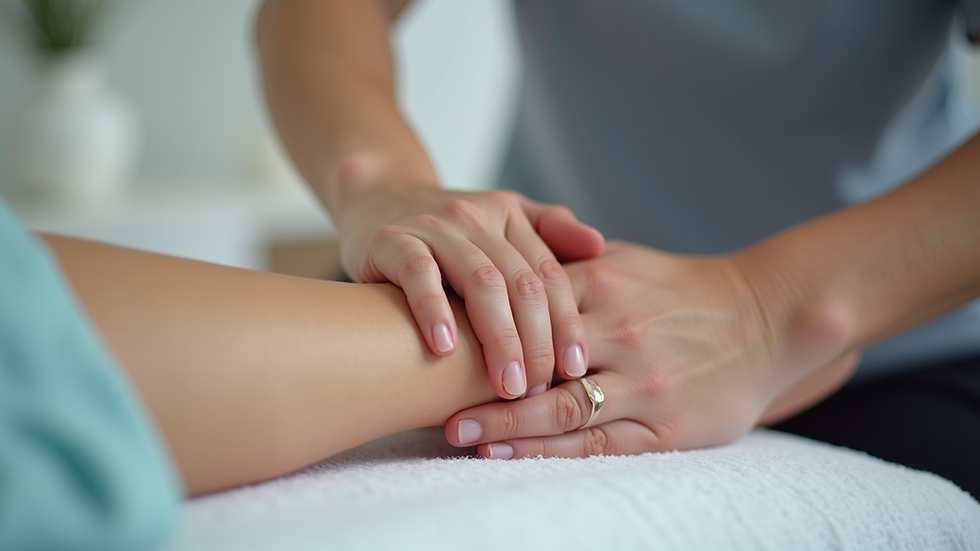
Manual lymphatic drainage uses light, rhythmic strokes to stimulate the lymph vessels. The massage follows the natural pathways of the lymphatic system, encouraging fluid to flow toward lymph nodes where it can be filtered and processed.
This technique is different from traditional massage because it uses very gentle pressure. The goal is to assist the lymphatic system without compressing the vessels, which could block flow. Sessions typically last 30 to 60 minutes and focus on areas where lymph tends to accumulate, such as the neck, armpits, abdomen, and legs.
Where does the fluid go after lymphatic massage?
After manual lymphatic drainage, the stimulated lymph fluid moves toward the lymph nodes. These nodes act as filters, trapping bacteria, viruses, and waste products. The filtered lymph then continues its journey through larger lymphatic vessels until it eventually drains into the bloodstream.
From the bloodstream, the waste products are transported to organs like the liver and kidneys for elimination. This process helps reduce swelling and supports the body's natural detoxification pathways.
Understanding this flow is important because it explains why MLD can help with conditions involving fluid retention or immune system challenges. By promoting efficient lymph movement, the body can better manage inflammation and fight infections.

Practical Applications of Manual Lymphatic Drainage
Manual lymphatic drainage is used in various health and wellness contexts. Here are some practical examples:
Post-surgical recovery: After surgeries such as liposuction or mastectomy, MLD can reduce swelling and promote faster healing.
Chronic conditions: People with lymphedema, fibromyalgia, or chronic fatigue syndrome often find relief through regular lymphatic massage.
Skin care: Facial MLD can reduce puffiness, improve skin texture, and enhance the appearance of the complexion.
Detox programs: Incorporating MLD into detox routines can support the removal of toxins and improve energy levels.
Sports recovery: Athletes use MLD to reduce muscle soreness and speed up recovery after intense workouts.
To get the most from manual lymphatic drainage, it is recommended to work with a trained therapist who understands lymphatic anatomy and massage techniques. Self-massage techniques can also be learned for maintenance between professional sessions.
Tips for Maximizing the Benefits of Manual Lymphatic Drainage
To enhance the effectiveness of manual lymphatic drainage, consider these actionable recommendations:
Stay hydrated: Drinking plenty of water supports lymph fluid movement and toxin elimination.
Practice deep breathing: Diaphragmatic breathing helps stimulate lymph flow naturally.
Maintain gentle movement: Light exercise like walking or yoga encourages lymph circulation.
Avoid tight clothing: Restrictive garments can impede lymph flow and cause swelling.
Schedule regular sessions: Consistency helps maintain lymphatic health and prevent fluid buildup.
Incorporating these habits alongside manual lymphatic drainage can amplify its positive effects on your body and overall well-being.
Manual lymphatic drainage offers a natural, non-invasive way to support your body's detoxification and immune systems. Whether you seek relief from swelling, improved skin health, or enhanced recovery, understanding and utilizing the benefits of manual lymphatic drainage can be a valuable part of your health routine. Embrace this gentle therapy to promote balance and vitality in your daily life.


Comments